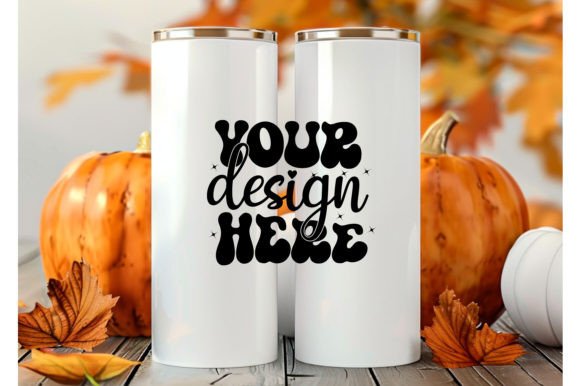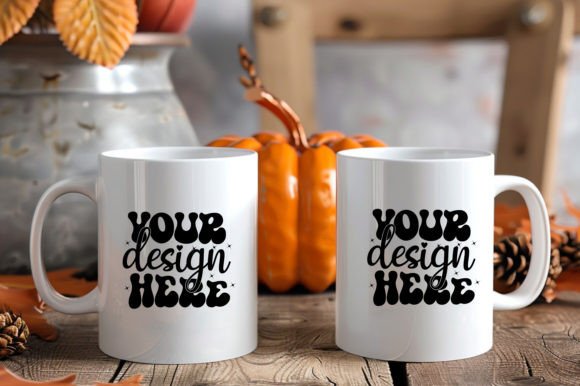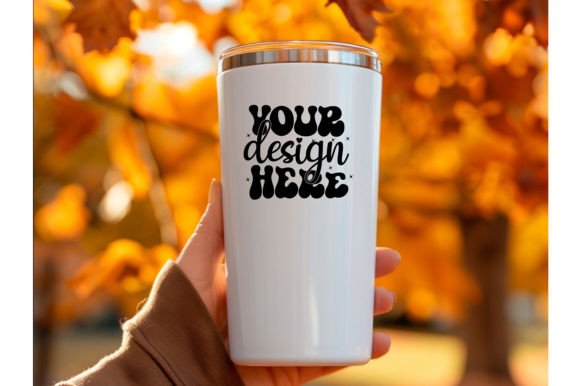
Fall White Tumbler Mockup: A Designer's Review
As a designer who spends more time staring at stitch maps than most people care to admit, I approach every new machine embroidery design with a mix of excitement and skepticism. We have all been there: you buy a digital embroidery file based on a pretty thumbnail, only to find out the stitch density is too high for a baby onesie or the details vanish on a textured towel. Recently, I took a close look at the Fall White Tumbler Mockup. While the title suggests a simple graphic for drinkware, my interest was piqued by its potential as a foundational element for broader embroidery projects. This isn't just about a cup; it is about how we present our handmade product lines to the world.
First Impressions and Visual Personality
When I first opened the files associated with the Fall White Tumbler Mockup, the immediate takeaway was the clean, crisp aesthetic. In the world of Graphics and Mugs Amp categories, clarity is king. The design exudes a cozy, autumnal mood without feeling cluttered. For an embroiderer, this visual simplicity is often a green light. It suggests that if translated into thread, the design would rely on clear shapes rather than muddy, over-complicated shading. The "white tumbler" aspect provides a neutral canvas concept, which is crucial when planning thread colors. It allows the designer to visualize how a warm ochre, deep burgundy, or forest green would pop against a light background, mimicking the effect of stitching on white twill or cotton canvas.
Real-World Application: The Boutique Sweatshirt Scenario
To truly test the viability of this asset, I imagined a real-life scenario common to many Etsy sellers and craft business owners. Picture this: a client orders a custom sweatshirt embroidery piece for a fall festival. They want something that says "autumn vibes" without being overly literal with pumpkins or leaves everywhere. This is where the layout principles found in the Fall White Tumbler Mockup shine. By adapting the composition of this mockup, I could create a chest-logo style custom apparel design. The balance of the original graphic translates well to the curved surface of a sleeve or the flat expanse of a tote bag back.
If I were using this as a reference for a tote bag design, the clean lines would ensure that the finished product looks professional even from a distance. Customers at a craft fair do not stop to inspect micro-details; they stop for bold, recognizable shapes. The mockup helps visualize how the design sits on a cylindrical or flat object, giving me confidence that the proportions will hold up whether I am stitching on a structured cap or a floppy tea towel.
Navigating Fabric Textures and Stitch Types
However, no review is complete without discussing the pitfalls. While the Fall White Tumbler Mockup offers a beautiful visual guide, translating it into an embroidery file requires careful consideration of fabric texture. If you are planning to use this concept on a thick, looped terrycloth towel, you must ensure your digitizer (or you, if you are doing the work) accounts for the pile. A design that looks sharp on a screen can get lost in the loops of a towel if the satin stitch columns are too narrow or if the fill stitch areas are too sparse.
For those considering this for baby embroidery projects, caution is key. Babies have sensitive skin, and dense stitching can be scratchy. The visual openness of the mockup suggests it could be adapted using more running stitch outlines or lighter fill densities to keep the personalized gift soft and wearable. Furthermore, if you are applying this to stretchy fabrics like jersey knits, the stability of the design becomes paramount. You would need a robust stabilizer strategy to prevent the design from puckering after the first wash.
Critical Considerations for Small Hoops and Details
One specific area where designers often stumble is scaling. Just because the Fall White Tumbler Mockup looks great on a large screen does not mean it will survive a 4x4 hoop size reduction. Tiny text or intricate corner details, common in boutique branding, can easily turn into thread blobs if scaled down too far. Before committing to a production run of embroidered patch items or holiday ornaments, I strongly advise testing the design on scrap fabric at the intended size. Check the small elements. Can you distinguish the shapes? Is the contrast sufficient?
Additionally, consider the background. The mockup features a white base, which is forgiving. But what happens when you place this design on a navy blue hoodie or a black apron? The visual appeal changes drastically. You may need to add a underlay or adjust the thread colors to maintain the same level of professionalism and buyer engagement. A design that relies on subtle shadows in a graphic format might need bold outlines in thread to stand out against dark fabric.
Enhancing Brand Consistency and Customer Trust
Ultimately, the value of a resource like the Fall White Tumbler Mockup lies in its ability to elevate your brand presentation. For lines, consistency is what builds trust. Using a cohesive visual language across your printable mockup listings and your actual stitched goods tells the customer that you pay attention to detail. When a client sees a preview that accurately reflects the final holiday embroidery gift they will receive, their confidence in your craft business skyrockets.
This asset serves as a bridge between the digital design assets you sell or use for marketing and the tactile reality of the commercial embroidery you produce. It helps you answer the question, "How will this look?" before you ever thread the needle. Whether you are creating a wedding gift, a nursery decor item, or a line of seasonal merchandise, having a clear visual roadmap prevents costly mistakes in materials and time.
Final Verdict and Practical Notes
In conclusion, the Fall White Tumbler Mockup is a versatile tool for the modern maker, provided it is used with intention. It is not just a picture of a cup; it is a study in composition, spacing, and seasonal mood. However, remember that a graphic mockup is not a stitch file. Before selling any finished product based on this imagery, you must verify the licensing terms. Ensure you have the rights to use the image for commercial embroidery or digital resale if that is your goal.
My advice is simple: treat this mockup as your blueprint. Test your stitches on scraps, check your tension, and always consider the end-user's experience. Will this personalized product hold up in the wash? Does it feel good to touch? If you can answer yes to those questions while leveraging the clean aesthetic of this design, you are well on your way to creating a best-selling item for your Etsy shop or local boutique. The fall season is short, but with the right preparation and tools, your creations can leave a lasting impression.